


The research was prepared by a distinguished international team consisting of Prof. Jehan Salim and Dr. Nabeel Bashagha from the University of Leeds (UK); Asst. Prof. Dr. Dhurgham Al-Ubaidi from the University of Baghdad (Iraq); Prof. Dr. Sabeeh Lafta Farhan from the Department of Architecture, wasit University (Iraq); and Dr. Osama Tarabiya from Virtual World Lines, Beirut (Lebanon). This scientific collaboration reflects the active participation of Iraqi universities in international research projects.
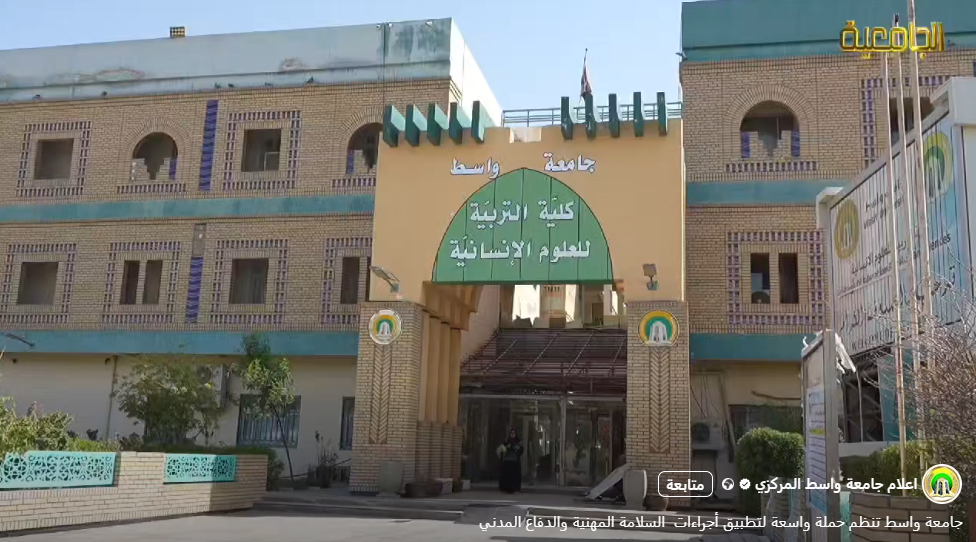
The project and publication fall within the framework of the academic cooperation agreement signed between Wasit University and the University of Leeds, which aims to exchange scientific expertise, develop joint research projects, and train academic staff in advanced fields—thus enhancing Wasit University's academic standing at the global level.
This achievement was completed as part of the international project titled:
“Documenting and Recording the Endangered Heritage of Shanasheel Wooden Houses in Iraq,”
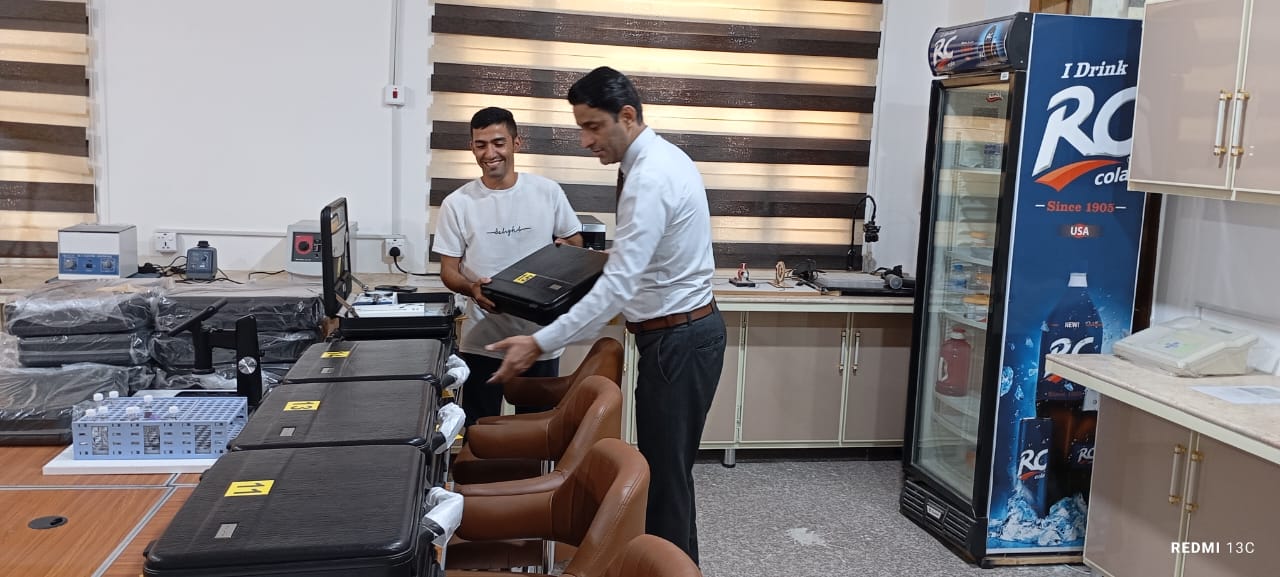
which aims to document Iraq’s heritage houses using LiDAR-based 3D laser scanning, GIS spatial information systems, and advanced digital modeling, in order to create an accurate digital registry that contributes to preserving this unique architectural heritage from deterioration and loss.
The project received funding from the Endangered Wooden Architecture Programme (EWAP) of the global Arcadia Fund, and was academically hosted and technically supported by Oxford Brookes University (UK)—a reflection of the international significance attributed to this type of research.
Project page: www.brookes.ac.uk/ewap
The research was published under the title:
“Integrated Surveying for Architectural Heritage Documentation in Iraq: From LIDAR Scanner to GIS Applications”
in the journal Remote Sensing, published by MDPI, a highly ranked Q1 journal indexed in Scopus and considered among the most influential journals in remote sensing and spatial analysis technologies.
Paper link: https://www.mdpi.com/2072-4292/17/21/3632
On this occasion, the President of Wasit University, Prof. Dr. Abbas Lafta Al-Uqabi, expressed his deep pride in this international research accomplishment, describing it as a significant step in the University’s trajectory toward global engagement and scientific excellence. He affirmed that this success reflects the competence of Iraqi researchers and their ability to contribute meaningfully to international projects of substantial scientific and societal impact.
He added that documenting Iraqi Shanasheel using advanced 3D laser technologies represents a cultural initiative that supports the preservation of Iraq’s architectural heritage and its authentic cultural identity. He emphasized that this project embodies the University’s strategic vision of harnessing scientific research to serve society and safeguard national heritage.
Prof. Dr. Abbas Lafta Al-Uqabi also extended his appreciation to the international research team and the project partners from the University of Leeds, the Arcadia Fund, and Oxford Brookes University, praising their supportive scientific role in accomplishing this pioneering project, and wishing the researchers continued excellence in advancing research and innovation for the benefit of Iraq.