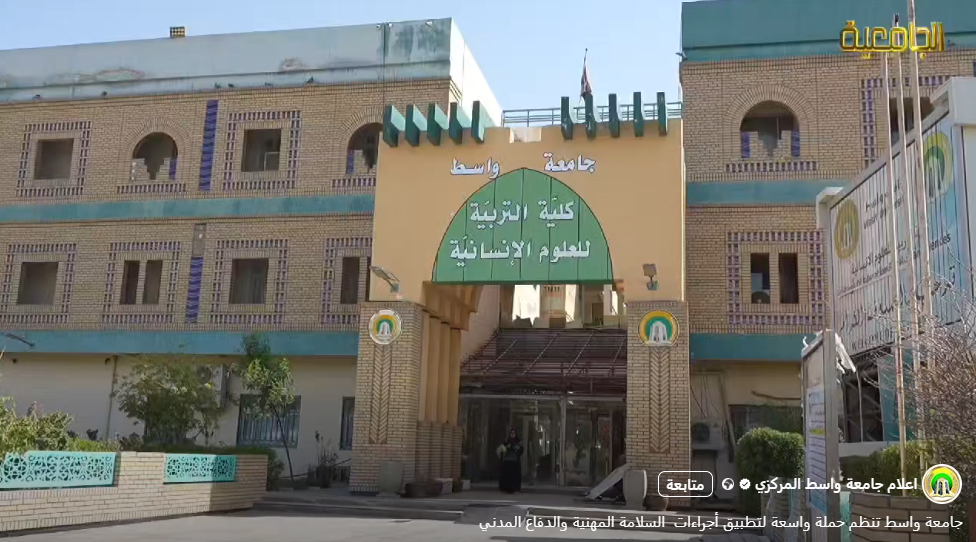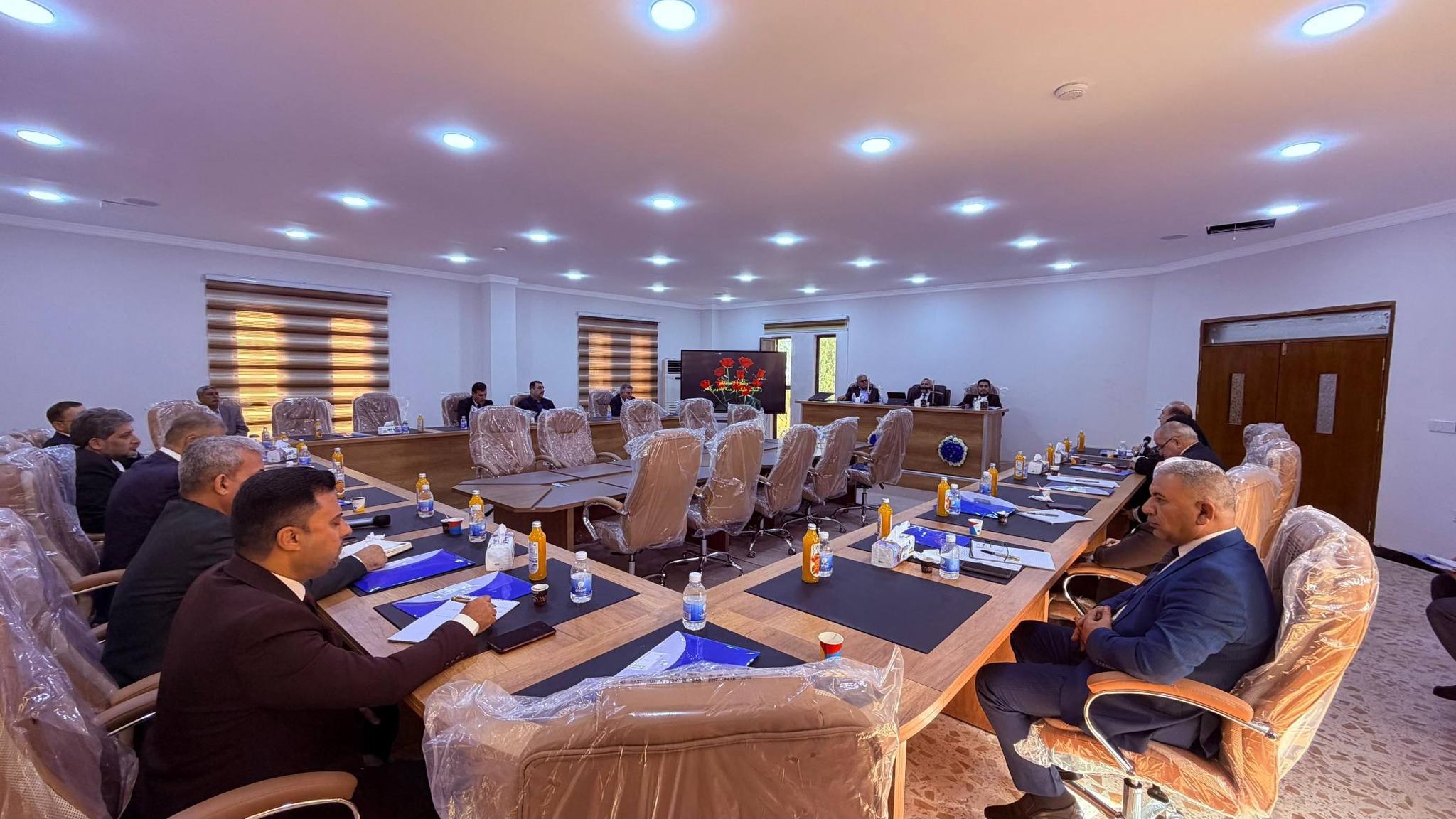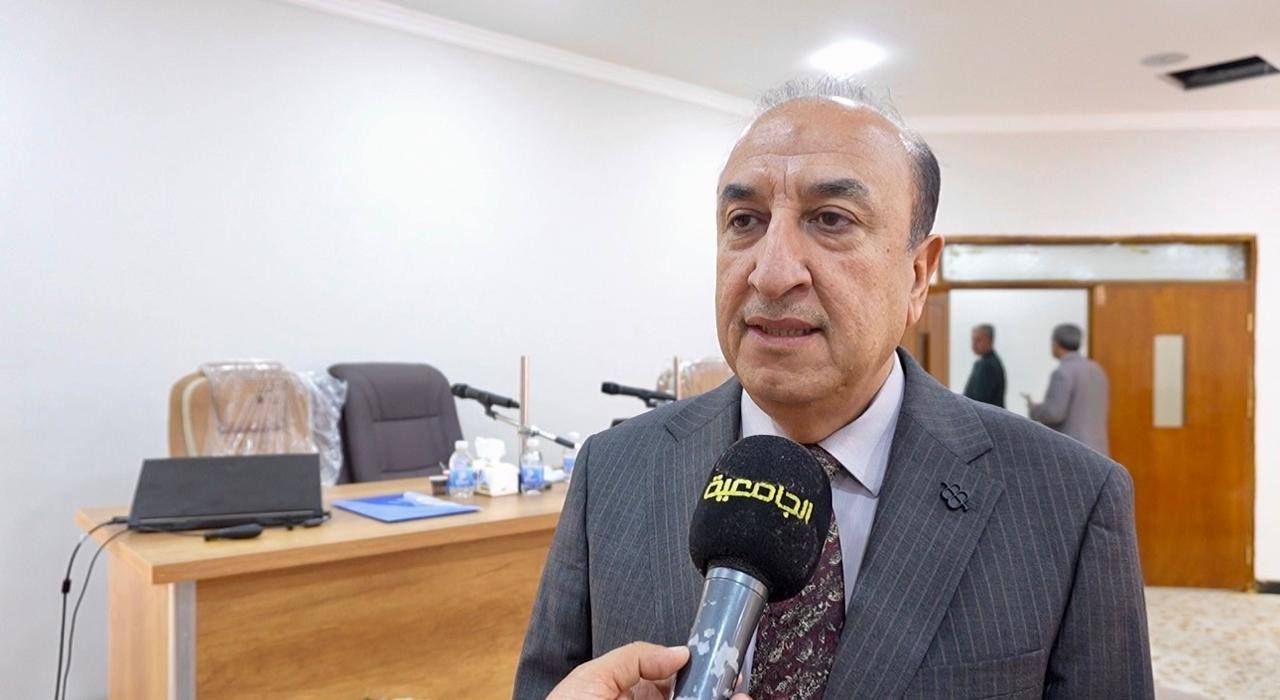



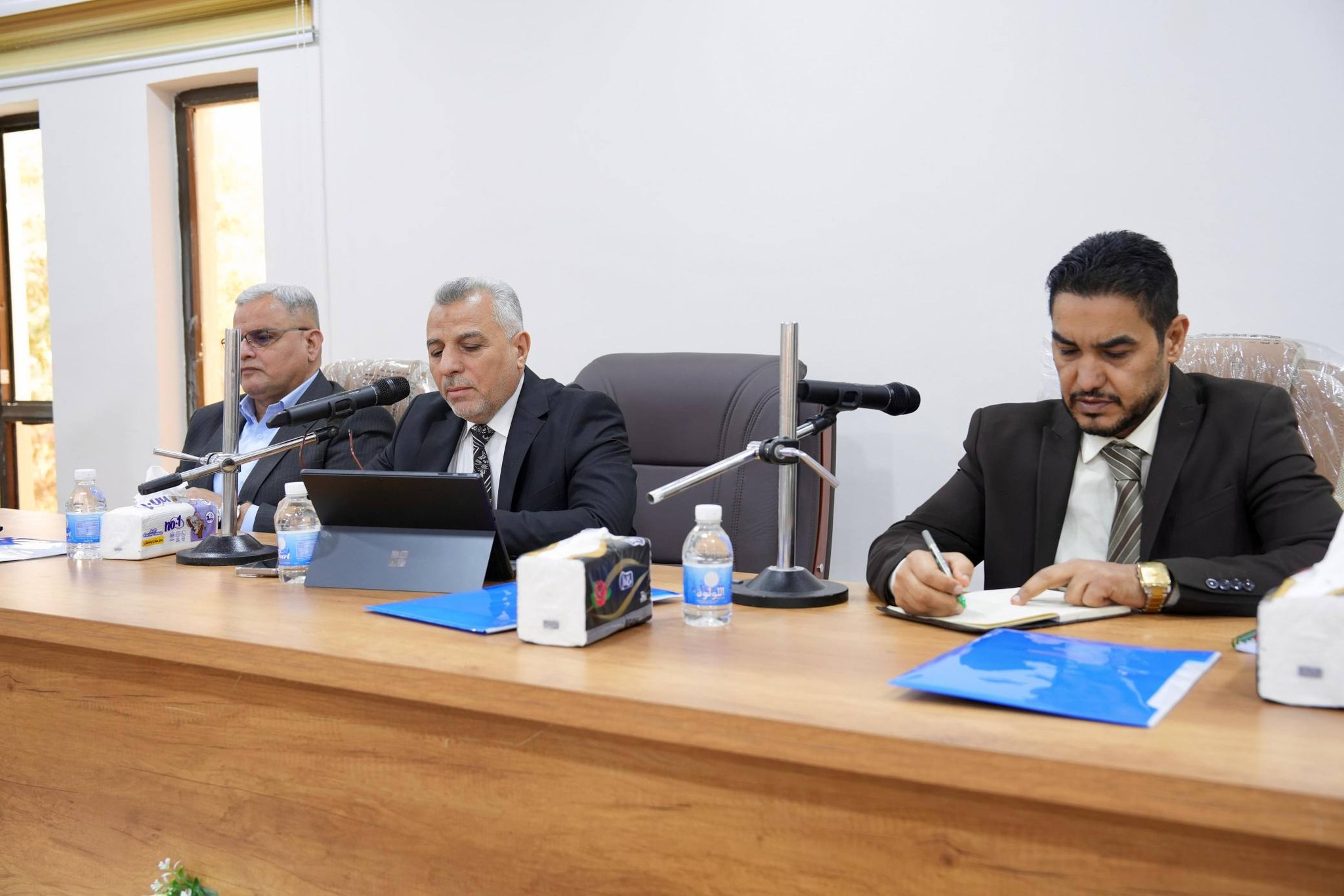
Wasit University has hosted a conference on food security in collaboration with the Office of the Prime Minister, the Ministries of Agriculture, Environment, and Finance, as well as the Union of Agricultural Engineers, to discuss the current state of Iraq’s agricultural sector and explore ways to develop and enhance its sustainability.
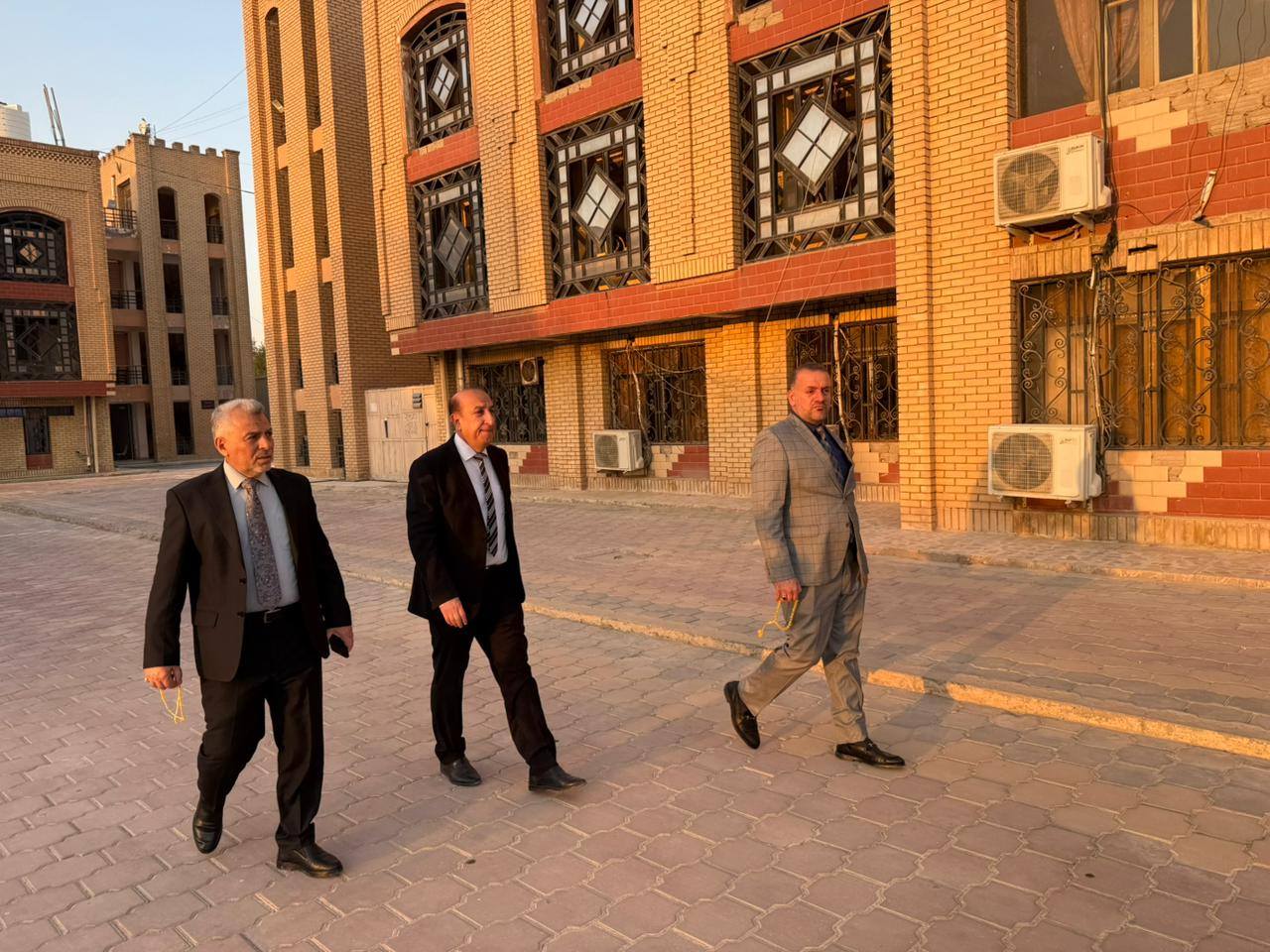
The conference was part of the outcomes and recommendations of the regular meeting of the National Committee for Community Awareness and Guidance at the Office of the Prime Minister, hosted by Wasit University with the participation of the Prime Minister’s advisor, Prof. Dr. Haider Al-Saadi, the Director of the Research and Development Department at the Ministry of Higher Education, Dr. Mousa Al-Mousawi, and researchers from various Iraqi universities.
University President Prof. Dr. Abbas Lafta Al-Aqabi emphasized that the meeting produced additional recommendations, including:
Allocating a dedicated budget to support agricultural colleges.
Supporting Wasit University in utilizing a 200-dunum area in Wasit Governorate for olive farms as part of the Al-Hoor Al-Shweija Land Project, stretching from Zarbatia and Jassan to Kut city, to enhance specialized agricultural production and generate alternative economic resources.
The meeting also discussed preparing a comprehensive study under Wasit University to establish a research or consultancy center for agricultural research, serving Iraqi universities and promoting applied scientific research in agriculture.
To support agricultural media, the Department of Media and Government Communication was tasked with preparing television reports in cooperation with the Iraqi Media Network to highlight the situation of agricultural colleges, student outputs, and ways to support entrepreneurial agricultural projects.
Other proposals included providing government support for graduates of agricultural colleges through the allocation of agricultural land plots to each graduate, supported by affordable agricultural loans, to be invested in specialized agricultural production, particularly medicinal plants and olive cultivation, drawing on the experiences of the Hussainiya and Abbasiyya sanctuaries in Al-Nakhib and Badia land projects.